
Unlocking the Secrets of Hydroseeding for a Lush Lawn in Benton County Iowa

A thick, green lawn can transform any home in Benton County, Iowa, into a welcoming outdoor space. Yet, many homeowners struggle with patchy grass, uneven growth, and time-consuming lawn care. Hydroseeding offers a practical and efficient solution to these common problems. This method combines seed, mulch, fertilizer, and water into a slurry that is sprayed over prepared soil, promoting faster and more uniform grass growth.
This guide explores how hydroseeding works, why it suits Benton County’s climate and soil, and how homeowners can get the best results for a lush lawn.
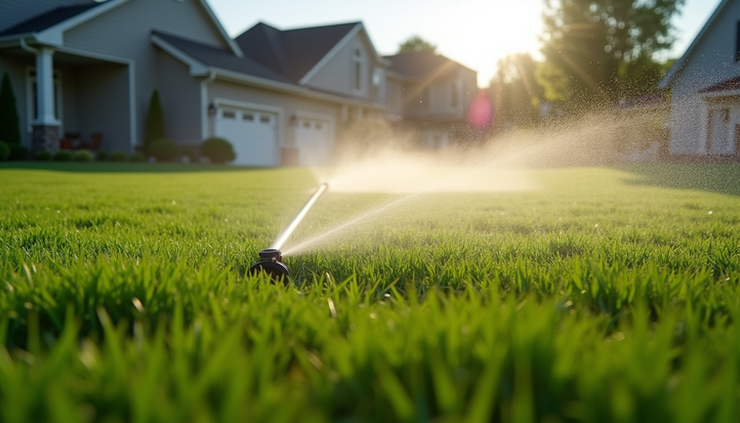
What Is Hydroseeding and How Does It Work?
Hydroseeding is a planting process that sprays a mixture of grass seed, water, fertilizer, and mulch onto the soil. This slurry helps protect the seeds from wind, birds, and erosion while providing moisture and nutrients to encourage quick germination.
The mulch in the mixture acts as a natural blanket, retaining moisture and creating a microenvironment ideal for seed growth. This method differs from traditional seeding or sod installation by covering large areas quickly and evenly, reducing labor and improving success rates.
Why Benton County Homeowners Should Consider Hydroseeding
Benton County’s climate features cold winters and warm, humid summers. The soil varies from loamy to clay-heavy, which can challenge grass growth. Hydroseeding adapts well to these conditions for several reasons:
Faster germination: The mulch keeps seeds moist, speeding up sprouting even during dry spells.
Better soil contact: The slurry ensures seeds stick to the soil, reducing seed loss.
Erosion control: On slopes or uneven ground, hydroseeding prevents soil washout.
Cost-effective: Compared to sod, hydroseeding covers more ground for less money.
Custom seed blends: Homeowners can choose grass types suited to local conditions, such as Kentucky bluegrass or tall fescue.
Preparing Your Lawn for Hydroseeding
Proper preparation is key to a successful hydroseeded lawn. Follow these steps before the application:
Clear the area
Remove rocks, debris, old grass, and weeds. This creates a clean surface for seed contact.
Grade the soil
Level the ground to prevent water pooling and improve drainage.
Loosen the soil
Lightly till or rake the soil to improve seed-to-soil contact.
Test the soil
A soil test can reveal pH and nutrient levels. Benton County soils often benefit from lime to balance acidity.
Choose the right seed mix
Select a blend suited to your lawn’s sun exposure and use. Local garden centers or hydroseeding professionals can recommend options.
The Hydroseeding Process Step-by-Step
Once your lawn is ready, the hydroseeding team will:
Mix seeds, mulch, fertilizer, and water in a tank.
Spray the slurry evenly over the prepared soil.
Apply a tackifier if needed to help the mixture stick on slopes.
Water the area lightly after application to settle the seeds.
The entire process usually takes a few hours for an average residential lawn.
Caring for Your Hydroseeded Lawn
After hydroseeding, proper care ensures strong growth:
Water regularly
Keep the soil moist but not soaked. Water lightly 2-3 times daily for the first two weeks.
Avoid foot traffic
Limit walking on the lawn until grass reaches 2-3 inches tall.
Mow carefully
Wait until grass is about 3 inches high before the first mow. Use a sharp blade and cut only the top third.
Fertilize as needed
Follow recommendations based on your soil test, usually 4-6 weeks after germination.
Control weeds
Hand-pull weeds early or use selective herbicides after the grass is established.
Common Challenges and How to Overcome Them
Even with hydroseeding, some issues may arise:
Dry conditions
Benton County summers can be dry. Use a sprinkler system or hose to maintain moisture.
Pests and wildlife
Birds and small animals may disturb seeds. Netting or temporary fencing can help.
Soil compaction
Heavy clay soils may need aeration before hydroseeding to improve root growth.
Uneven growth
If some areas grow slower, overseed or apply extra fertilizer.
Choosing a Hydroseeding Service in Benton County
Selecting the right professional makes a difference. Look for:
Experience with local soil and climate
Positive customer reviews
Transparent pricing and clear service details
Use of quality seed blends and mulch
Availability of follow-up support
Ask for references and examples of past projects.

Benefits Beyond a Beautiful Lawn
Hydroseeding offers more than just curb appeal:
Environmental impact
A healthy lawn reduces soil erosion and filters rainwater.
Property value
Well-maintained lawns increase home resale value.
Time savings
Hydroseeding covers large areas quickly, freeing up homeowner time.
Cost savings
Compared to sod, hydroseeding is more affordable and less labor-intensive.
Comments